
SHTFDad may collect a share of sales or other compensation from the links on this page.
A prepper pantry is one of the most practical and effective ways to increase your everyday resilience. It goes beyond simply storing extra food, it creates a system that ensures you always have access to what you need, regardless of disruptions.
Unlike one-time stockpiling, a prepper pantry is designed to be used, maintained, and improved over time. It becomes part of your daily routine, not something separate for emergencies. This approach keeps your food fresh, reduces waste, and ensures that your storage is always ready when you need it.
What Is a Prepper Pantry?
A prepper pantry is a structured food storage system built around consistency, rotation, and practicality. It includes everyday foods you regularly use, stored in a way that allows for both daily consumption and long-term reliability.
The focus is not on storing as much as possible, but on building a supply that is usable and sustainable. The main difference between a regular pantry and a prepper pantry is intention.
A regular pantry supports short-term needs, while a prepper pantry is designed to handle both normal use and disruptions. It bridges the gap between daily living and emergency preparedness by creating a continuous, reliable food supply.
Why a Prepper Pantry Is Essential
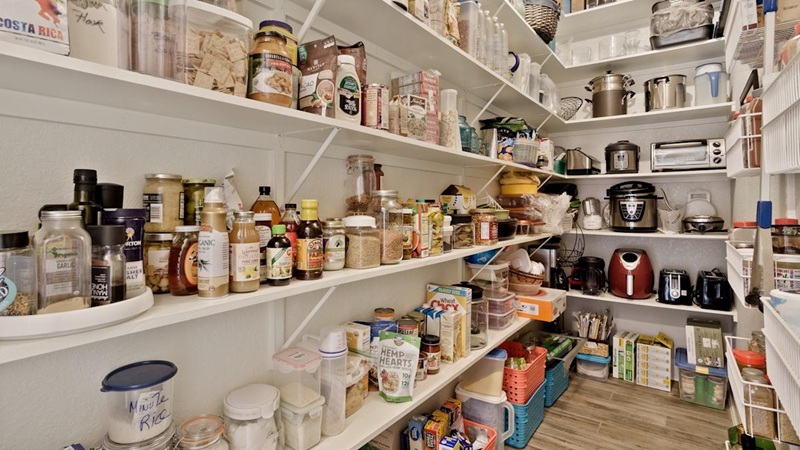
A prepper pantry provides protection against disruptions that can affect food availability. This includes supply chain issues, weather events, or unexpected personal situations.
Having a reliable food reserve reduces the stress of needing immediate access to stores or external systems. It also offers financial advantages by allowing you to buy in bulk and take advantage of price stability.
Over time, this reduces the impact of rising food costs and improves budgeting. Beyond that, a well-managed pantry reduces dependence on external supply chains, giving you more control over your food and your ability to adapt to changing conditions.
The Core Principle: Store What You Eat
The foundation of a successful prepper pantry is simple: store what you already eat and eat what you store. This principle keeps your system practical, efficient, and easy to maintain over time.
When your storage is built around familiar foods, it becomes part of your daily routine instead of something separate that only gets used in emergencies. Random stockpiling often leads to wasted money and unused food.
Buying items you’re not used to cooking or eating increases the chance they will sit unused until they expire. Instead, focus on building your pantry around meals you already prepare. This ensures everything in your storage has a purpose and can be rotated naturally.
By aligning your pantry with your actual diet, you create a system that is always fresh and functional. It removes guesswork and allows you to rely on your storage with confidence, whether you’re using it daily or during disruptions.
The 3 Layers of a Prepper Pantry
A well-structured prepper pantry is built in layers, each serving a different purpose. This approach improves organization and ensures you are prepared for both short-term and long-term situations.
Instead of one large, unorganized supply, you create a system that is easier to manage and use effectively.
Short-Term (Daily Use)
This layer includes the food you use regularly, your everyday pantry items. It is the most active part of your system and should always be stocked and rotating. Keeping this layer full ensures you can handle short disruptions without any changes to your routine.
Mid-Term (Backup Supply)
The mid-term layer acts as a buffer, providing additional food that supports your daily use. These are the same or similar items as your short-term supply but stored in larger quantities. This layer helps extend your food availability without requiring immediate restocking.
Long-Term (Bulk Storage)
The long-term layer focuses on stability and extended storage. It typically includes bulk staples like rice, beans, and other shelf-stable foods. This layer is used less frequently but provides security for longer disruptions, making it a critical part of a complete system.
What to Store in a Prepper Pantry
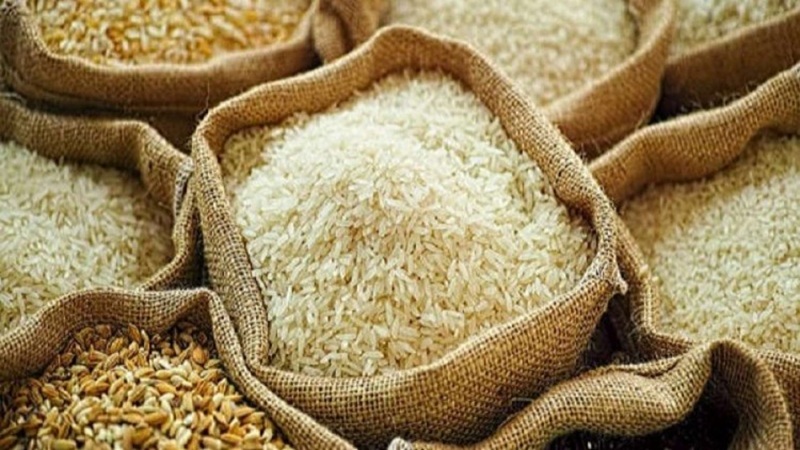
What you store in your prepper pantry should be based on practicality, shelf life, and how well items fit into your daily meals.
The goal is to create a balanced system that covers calories, nutrition, and ease of use. Instead of focusing on specific “prepper foods,” it’s more effective to build your storage around categories that support real-life cooking and consumption.
Staple Foods
Staples form the backbone of your pantry and provide the bulk of your calories. Items like rice, beans, pasta, oats, and flour are affordable, long-lasting, and versatile. They can be used in a wide range of meals and combined with other ingredients to create variety.
Canned and Preserved Foods
Canned goods and preserved foods add convenience and nutrition to your storage. They often include vegetables, fruits, meats, and ready-made meals that require little preparation. These items are especially useful when time or resources are limited.
Ready-to-Eat Options
Having food that requires no cooking is important for situations where power or time is limited. This can include canned meals, packaged foods, or simple items that can be eaten directly. These options provide flexibility during emergencies.
Cooking Essentials
Basic cooking ingredients like oil, salt, sugar, spices, and baking supplies are often overlooked but essential. They allow you to turn simple ingredients into complete meals and maintain variety. Without them, even a well-stocked pantry can feel limited.
How Much Food Should You Store?
The amount of food you store depends on your goals, available space, and household size. A practical approach is to build your pantry in stages rather than trying to stock everything at once.
Starting with a small, manageable supply allows you to learn what works and expand over time without waste. A common progression is to aim for a 2-week supply, then extend it to one month, and eventually to three months or more.
Each stage increases your ability to handle disruptions without relying on outside sources. The key is to match your storage to your actual consumption, ensuring that what you store is both usable and sustainable.
Instead of focusing only on quantity, think in terms of time, how long your pantry can support you. This approach makes planning easier and keeps your system aligned with real needs rather than arbitrary numbers.
How to Organize Your Pantry
Organization is what turns food storage into a functional system. Without it, even a large pantry can become difficult to manage, leading to forgotten items and unnecessary waste. A clear structure makes it easier to track what you have and use it efficiently.
Zoning System
Dividing your pantry into zones, such as daily use, backup supply, and long-term storage, improves visibility and control. Each section serves a purpose, making it easier to access what you need without disrupting the rest of your system.
FIFO (First In, First Out)
The FIFO method ensures that older items are used before newer ones. This keeps your food fresh and prevents expiration. Placing newer items behind older ones makes rotation automatic and easy to maintain.
Labeling and Visibility
Clear labeling and good visibility help you quickly identify what you have. Using transparent containers or well-marked packaging reduces confusion and improves efficiency. This simple step makes long-term management much easier.
Rotation: The Most Important Habit
Rotation is what keeps your prepper pantry alive and functional. Without it, food will eventually expire, and your system will lose reliability. The goal is to create a natural flow where food is constantly being used and replaced.
The easiest way to maintain rotation is to integrate your pantry into daily use. By regularly cooking with stored food and replacing it as needed, you avoid the need for large, infrequent updates. This keeps everything fresh without extra effort.
Over time, rotation becomes a habit rather than a task. It ensures your pantry remains ready at all times, turning your food storage into a dependable resource instead of a static запас.
Storage Methods and Containers
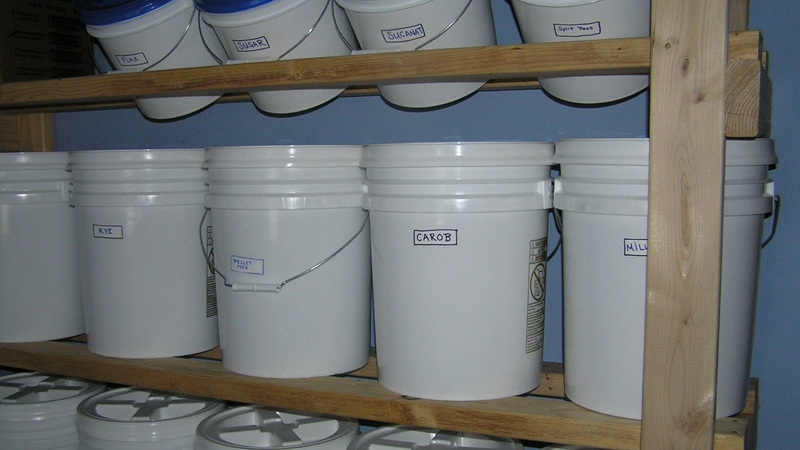
Proper storage methods protect your food from the main threats: moisture, pests, heat, and air exposure. Even the best food choices can fail if they are not stored correctly. Using the right containers and environment extends shelf life and maintains quality.
Shelving units, sealed bins, and food-grade buckets are commonly used for organizing and protecting supplies. Airtight containers help prevent contamination, while cool, dark storage areas slow down spoilage. For bulk items, additional protection like oxygen absorbers can further improve longevity.
The goal is to create a storage environment that keeps food stable over time. A well-protected pantry reduces waste and ensures that your supply remains safe and usable when needed.
Common Mistakes to Avoid
Many problems with prepper pantries come from simple mistakes that reduce effectiveness over time. One of the most common is buying food that you don’t normally eat. This leads to items sitting unused and eventually going to waste.
Another issue is neglecting rotation. Without regular use, even well-stored food can expire, making the pantry unreliable. Poor organization is also a major factor, as it makes it difficult to track what you have and what needs to be used.
Avoiding these mistakes comes down to consistency and planning. By focusing on practical foods, maintaining rotation, and keeping your pantry organized, you create a system that works reliably instead of one that requires constant correction.
Building Your Pantry Step by Step
Building a prepper pantry does not need to happen all at once. In fact, a gradual approach is often more effective and sustainable. Starting small allows you to learn what works, adjust your system, and avoid unnecessary waste.
Begin by adding a few extra items to your regular shopping, focusing on foods you already use. Over time, these small additions build into a meaningful reserve. As your pantry grows, you can expand into bulk storage and longer-term planning.
Consistency is more important than speed. By building your pantry step by step, you create a system that is manageable, efficient, and aligned with your needs. This approach leads to long-term success without unnecessary pressure.
Wrap-Up
A prepper pantry is not about storing as much food as possible, it’s about creating a system that works. By focusing on practical foods, proper organization, and consistent rotation, you build a supply that supports both everyday life and unexpected situations.
Over time, even a small pantry can grow into a reliable and resilient system. The key is to start with what you can manage, stay consistent, and continue improving. With the right approach, your pantry becomes one of the most valuable parts of your overall preparedness strategy.